How a Clapperboard Animation Became My Best Marketing Tool
I still remember the Slack ping. A client I'd cut a brand film for messaged me out of nowhere: "That clapperboard thing is adorable. I just posted it to my story." I had to scroll up to remember what she meant. I'd sent her a Karmi.pro testimonial link a few days earlier.
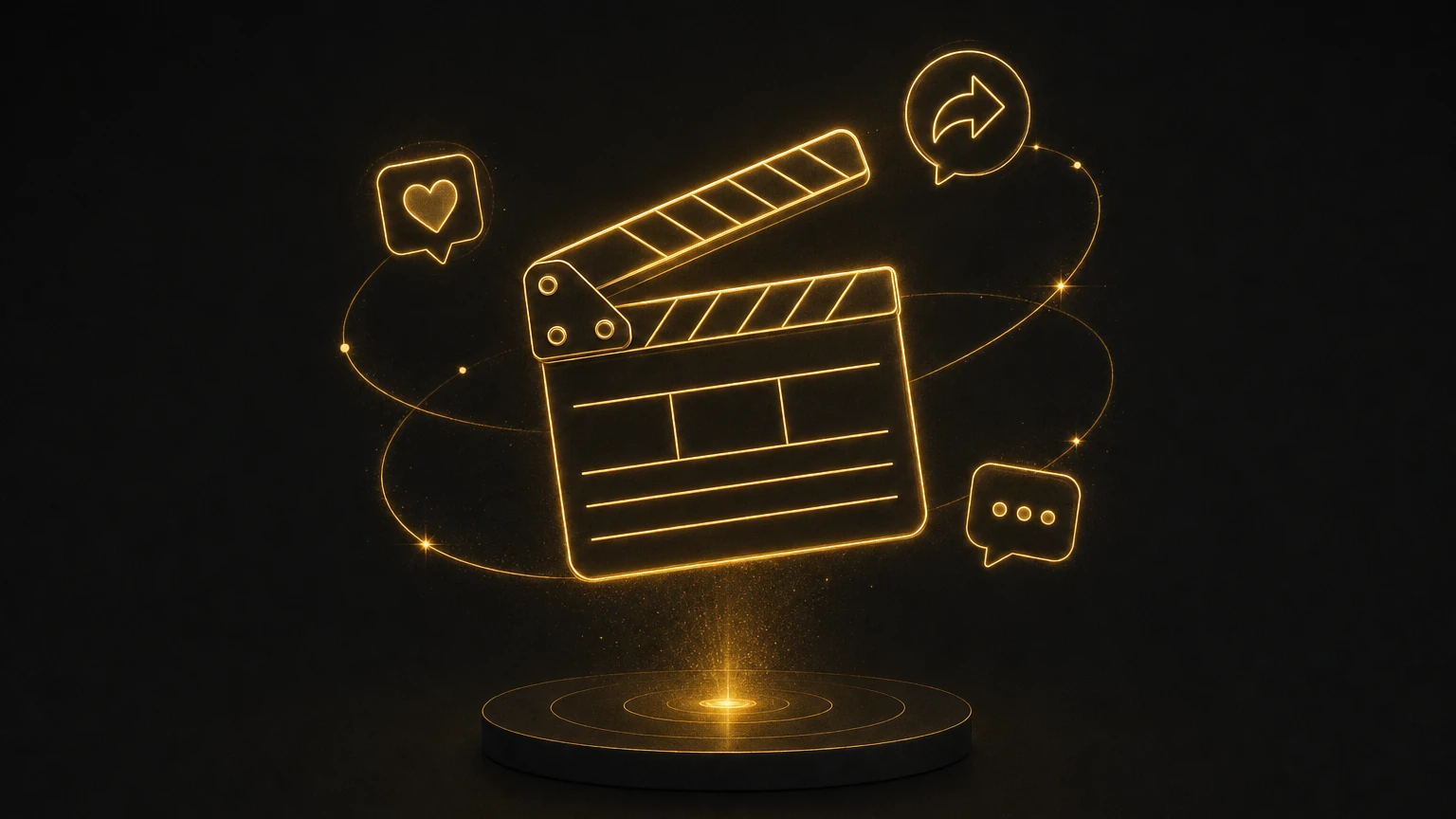
What she'd posted was the gamified clapperboard reward, a digital clapperboard that snaps shut on screen after someone records a testimonial, personalized with their name and project details. It took her two minutes to record. She spent another five playing with the animation and sharing it. Her followers saw it. Other filmmakers saw it. My name was in front of people I'd never reached before, all because of a tiny moment of delight built into a feedback tool.
That clapperboard isn't just cute design. It's a genuinely clever piece of psychology, and it has become one of the most effective word-of-mouth generators in my freelance business.
The Testimonial Problem Nobody Talks About
Collecting testimonials isn't just about getting the recording. It's about the experience around the ask. Most testimonial collection is sterile at best and awkward at worst. You send a link or an email request. The client fills out a form or records something on their phone. They submit it. Maybe they get a generic "thank you." That's the end of it.
There's no joy in it, no personality, nothing that makes the client feel good about the interaction beyond the vague satisfaction of having helped someone out. It's a transaction, not a moment. I used to send clients to a form with a file upload field for video testimonials. Most of them would open it, see the empty fields, feel the weight of having to produce something, and quietly close the tab. The ones who did submit something often apologized in their note: "Sorry this is rough" or "I didn't know what to say." I'd gotten a testimonial, but I'd made my client feel slightly bad in the process. That's not the last impression I want anyone to have of working with me.
Why Gamification Works (Even for Adults)
The clapperboard reward taps into something basic: people like completing things. They like the sound of a task finishing. They like seeing their name on something. They like small, unexpected moments of delight, especially right after they've done you a favor.
Here's the sequence. When a client records a testimonial, they're already in a positive state. They liked your work enough to say yes to the request, and they just spoke positively about you on camera. That's one small hit of satisfaction. Then the clapperboard snaps shut with their name on it, a second hit, a punctuation mark on the experience.
That two-hit pattern matters because it creates an emotional peak right at the end of the interaction. Psychologists call this the "peak-end rule": people judge an experience largely by how they felt at its most intense point and at its end. The clapperboard makes sure the testimonial submission ends on a high note instead of a fizzle.
Pro tip
The peak-end rule applies to your whole project, not just testimonial collection. If you want clients to remember you fondly, engineer an emotional high point near the end of the collaboration: a surprise early delivery, an extra revision that makes the cut sing, or a small delightful moment like the clapperboard.
What the Clapperboard Actually Does
After a client records their testimonial through Karmi.pro's browser-based recorder, the clapperboard appears on screen. It shows their name and the project title I specified. They can trigger the snap themselves, or it auto-snaps after a few seconds. Either way, they walk away with a little digital keepsake.
The personalization is what makes it work. It's not a generic animation, it says their name and references their specific project. That turns it from "a thing Karmi does" into "a thing made for me." When my client saw her name and project title on that clapperboard, it stopped being marketing and became a personalized moment.
And because it looks good, the animation is smooth, the sound effect is satisfying, the typography feels cinematic, people want to share it. Nothing prompted her to post it to her Instagram story. She just did it because it felt worth sharing.
Organic Social Sharing You Can't Buy
Here's where this gets interesting from a business perspective. Every time a client shares their clapperboard to social media, your name travels through networks you have no other access to. It's not an ad, it's not a promoted post. It's a real person, someone other people trust, voluntarily associating their name with yours in public.
- •Instagram Stories are the most common share. Clients post the clapperboard with a reaction sticker or a brief caption. Their followers, mostly other filmmakers, directors, and creatives, see it in a format the algorithm favors for accounts people already engage with.
- •X and LinkedIn posts happen with clients who are more industry-active. They'll screenshot the clapperboard and post something short about the project, and it sometimes gets picked up by filmmaking accounts and travels further than expected.
- •Slack and Discord shares happen inside production teams. A client drops their clapperboard in a team channel with a note about the project, and now the whole team has seen my name in a positive context, from someone they already trust.
None of this shows up in traditional analytics. You can't put a click-through rate on it. But I've had more than one prospect tell me, unprompted, "I saw your name on someone's story" or "a colleague posted that clapperboard thing," which is about as clean a signal as word-of-mouth marketing gets.
Pro tip
If you want to encourage sharing without being pushy, mention the clapperboard when you send the testimonial link. Something like: "After you record, there's a fun little clapperboard moment with your name on it." That sets an expectation without demanding anything, and clients who are inclined to share will have it in mind.
The Psychology of Delight in Professional Relationships
Most client-editor interactions are functional. You deliver files. They send feedback. You revise. They approve. Invoices get paid. It's professional, but it's rarely memorable. In a crowded market, which freelance editing absolutely is, being memorable is a real competitive advantage.
The clapperboard creates what design thinkers call a "delight trigger." It's unexpected, it's slightly playful in an otherwise serious context, and it's personalized, which signals that you pay attention to detail. Think about it from the client's side. They've worked with dozens of freelancers over their career, and most of those interactions blend together. The editor who sent them a personalized clapperboard animation after they left a review stands out. That's the editor who gets remembered when someone asks, "know anyone good for an edit?"
Delight also triggers reciprocity. When you give someone a genuinely pleasant experience, they feel a subtle pull to give something back. Here, that often shows up as a more enthusiastic testimonial than they might have otherwise given, a willingness to refer you to others, or simply a stronger memory of your name when the opportunity arises.
How I Integrate It Into My Workflow
The clapperboard reward isn't an afterthought anymore. It's part of my project wrap sequence:
- Delivery call or email. I present the final cut, we discuss any last tweaks, and I confirm they're happy with it.
- Final delivery. I send the polished files through their preferred method. The project is technically complete.
- 24-hour follow-up. I check in: "Hope the files are working perfectly in your workflow. If you have two minutes, I'd love a quick video testimonial, here's a link where you can record right in your browser. There's even a little clapperboard surprise at the end."
- The thank-you. When the testimonial comes in, I send a genuine thank-you message referencing something specific they said. That closes the loop and reinforces the personal connection.
The whole thing takes maybe five minutes of my time per project. The clapperboard handles the delight automatically. I just have to remember to include the link.
From Skeptic to Believer
I'll be honest, when I first saw the clapperboard feature, I thought it was gimmicky. I'm a practical editor. I care about timelines, keyboard shortcuts, efficient workflows. Animated rewards felt like fluff.
Then I watched a run of clients share their clapperboards to social media without any prompting from me, saw the engagement those posts got, and traced real inquiries back to those shares. I realized I'd been thinking about it wrong.
The clapperboard isn't a toy. It's a word-of-mouth engine disguised as a fun moment. It takes a routine business interaction, requesting a testimonial, and turns it into a shareable event.
Client Experience as Marketing
Most freelance editors treat marketing and client experience as separate things. Marketing is your portfolio, your social posts, your outreach. Client experience is how you work: your communication, your delivery, your revisions process.
The clapperboard blurs that line. It's part of the client experience, a small, delightful punctuation mark at the end of a project, that simultaneously functions as marketing. The client enjoys it. Their network sees it. Your name spreads.
That's not the main reason I use Karmi.pro. I use it because it removes friction from testimonial collection. But the clapperboard has become my favorite feature, because it's the one that surprises clients, makes them smile, and puts my name in front of people I'd never reach on my own.
If you're already collecting testimonials through some other method, or not collecting them at all, it's worth trying the clapperboard approach. Send one testimonial link. Watch what happens after the client hits submit. Sometimes the best marketing tool isn't an ad. It's a moment of genuine delight.
More from the Cut to the Point blog, including why freelance editors need video testimonials and building a client experience that gets you referrals. If you want to see how a Wall of Love testimonial widget could work on your own site, book a consultation.
Share this article